The Quick Rundown
Retention beats acquisition on every metric. Keeping a member costs 5 to 7 times less than winning a new one, and a 5% lift in retention can raise profit by 25% to 95%.
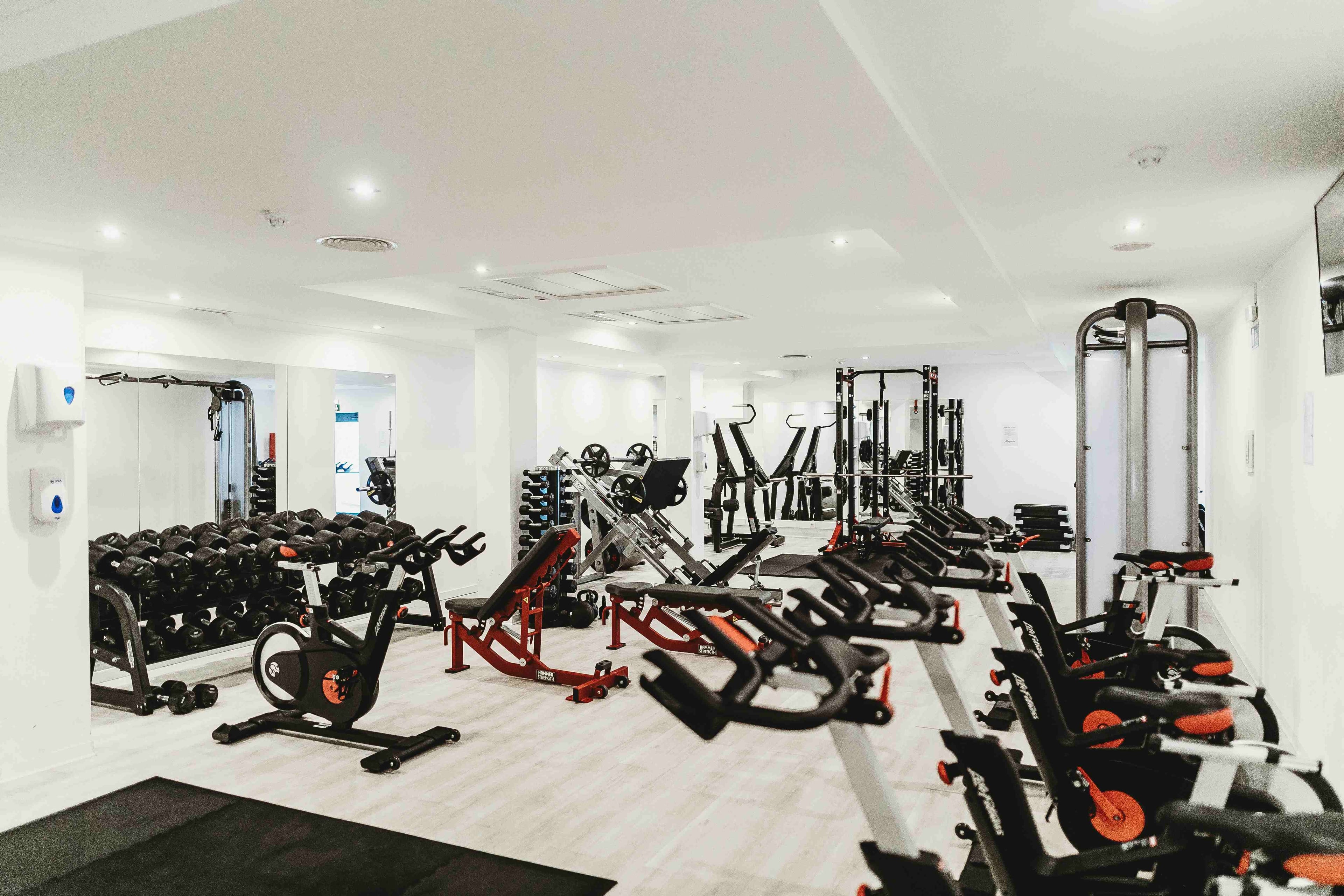
Equipment is a daily touchpoint. Members judge your gym by the machines they use every visit, so equipment quality, availability, and variety shape the experience that drives renewals.
Wait times are a silent killer. One study found that members who frequently wait for a machine are 50% more likely to cancel.
Downtime reads as neglect. A machine sitting under an out-of-order sign disrupts routines and signals that the gym does not care, both of which push members toward the exit.
Frequency creates the habit that retains. Members who train twice a week are 50% less likely to cancel, and the right equipment is what makes a complete, repeatable workout possible.
Visible progress keeps people coming back. Connected equipment and progress tracking have been linked to a 14% increase in retention.
Most gyms pour their energy into filling the funnel and almost none into stopping the leak at the bottom of it. Yet the math is brutal: the average gym loses somewhere between 28% and 40% of its members every year, and roughly half of all new members quit within their first six months. For a 1,000-member club charging $50 a month, a 40% annual churn rate quietly drains around $240,000 a year. Marketing cannot outrun a retention problem that severe.
Equipment is one of the most underused levers for fixing it. Members interact with your equipment every single visit, far more than they interact with your staff or your app, which means the machines on your floor shape the experience that decides whether they stay. This guide breaks down exactly how better equipment increases gym member retention, the five changes that move the needle most, and the return-on-investment math that justifies the spend to an owner watching every dollar.
Why Retention Decides Your Gym’s Future
Before connecting equipment to retention, it helps to see why retention is the metric that matters most. Industry data from IHRSA puts the average annual retention rate for health clubs near 71%, meaning close to 29% of members walk every year. Traditional clubs often sit lower, in the 50% to 60% range, while boutique studios reach 75% or more on the strength of community and a better experience.
The financial weight of that churn is enormous. Across the industry, lost memberships drain billions of dollars a year, and at the individual level it costs a gym 5 to 7 times more to acquire a new member than to keep an existing one. The flip side is the opportunity: IHRSA research has linked a 5% improvement in retention to profit gains between 25% and 95%. Few investments in a gym move profit that hard, which is why the equipment decisions that nudge retention up are worth far more than their sticker price suggests.
Timing matters too. The first 90 days are the highest-risk window, the period when half of all eventual quitters drift away, usually because they never built a routine or never saw results. Members who push past the two-year mark, by contrast, are about 90% less likely to ever cancel. Retention is won or lost early, and equipment plays a direct role in those make-or-break first weeks.
How Equipment Connects to Retention
The link between equipment and retention runs through one behavior: frequency. Members who visit at least twice a week are 50% less likely to cancel than those who come once a week or less, because consistent visits build the habit and the results that make a membership feel worth keeping. Almost everything that determines whether a member hits that twice-a-week threshold touches your equipment.
A member who waits 15 minutes for a squat rack, finds their favorite machine broken, or cannot figure out how to use anything without help is a member whose routine keeps getting interrupted. Interrupted routines do not become habits, and memberships without habits get cancelled. Reliable, available, intuitive equipment that delivers visible results is the difference between a member who comes twice a week and one who quietly fades by month three. The five changes below attack that problem from every angle.
Five Ways Better Equipment Keeps Members
Each of these maps a specific equipment decision to the retention behavior it protects. None requires reinventing your facility; together they reshape the experience that decides renewals.
Equipment factor | What it changes | Retention impact |
Availability at peak | Members train without waiting | Cuts the wait-time cancellations that hit 50% likelihood |
Reliability and uptime | Routines never get interrupted | Removes a top cancellation trigger and protects reviews |
Variety and relevance | The floor matches what members want | Keeps engagement high across member types |
Ease of use | Beginners succeed in the first 90 days | Protects the highest-churn window |
Connected tracking | Progress becomes visible | Linked to a 14% retention increase |
Cut the wait at peak hours
Nothing erodes a workout faster than standing around waiting for a machine, and the data is unambiguous: members who regularly wait for equipment are 50% more likely to cancel. Overcrowding and long queues are among the most common complaints that precede a cancellation, and they tend to spike at exactly the hours your most committed members show up.
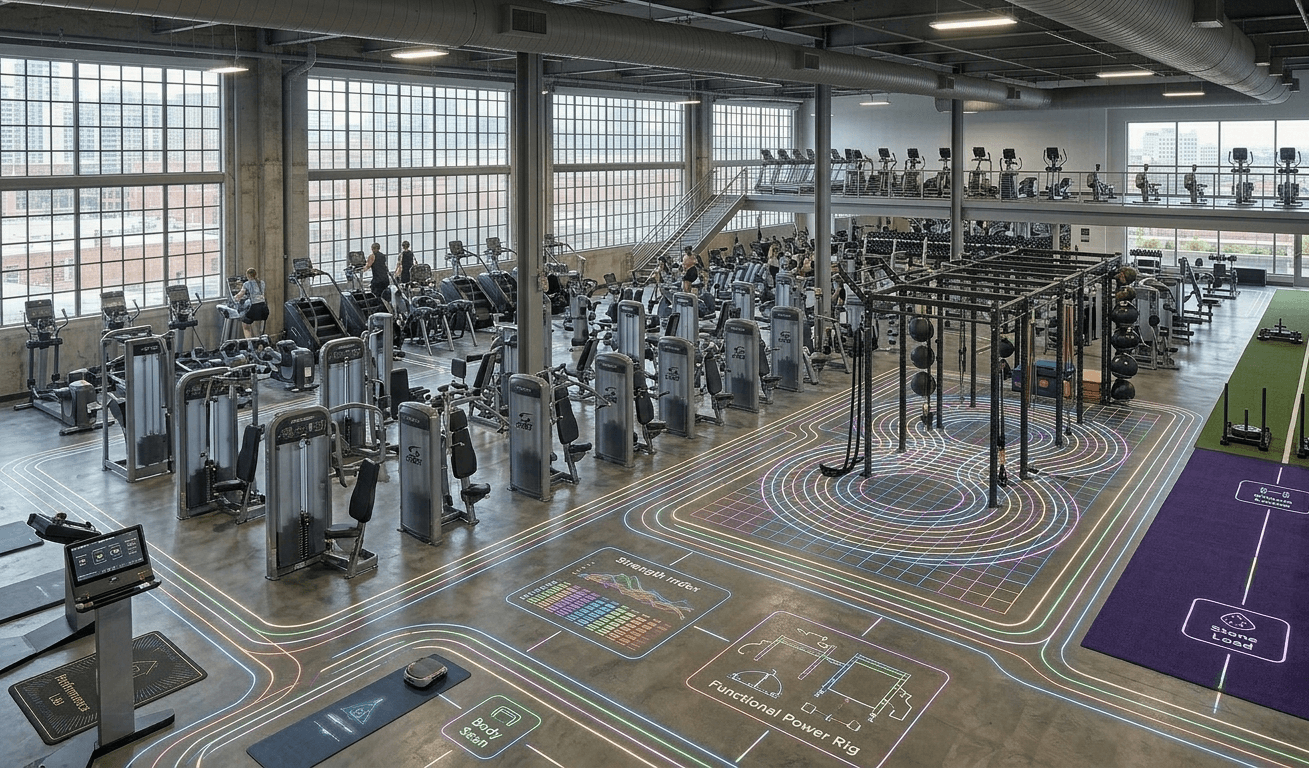
The fix is partly about quantity and partly about smart selection. Duplicate your highest-demand pieces, especially treadmills, squat racks, and the most popular strength stations, so a peak-hour crowd does not bottleneck on a single unit. Lean on space-efficient equipment such as functional trainers and selectorized strength, which let more members train productively in the same footprint and turn over quickly between sets. The goal is simple: a member who shows up at 6 p.m. should be able to complete their planned workout without a queue dictating their routine.
Eliminate equipment downtime
A broken machine does double damage. It interrupts the routine of every member who relies on it, and an out-of-order sign left up for days sends a louder message: this gym does not care about your experience. Faulty or outdated equipment is consistently cited among the top reasons members cancel, partly because it raises real safety concerns and partly because today’s members broadcast their frustration on review sites where prospects are watching.
Two decisions protect uptime. First, buy commercial-grade equipment built for heavy daily traffic, because consumer or light-duty machines fail faster under the load a busy gym puts on them. Second, run a real preventive-maintenance program: scheduled inspections, fast access to parts, and same-day or next-day repair so a machine is never out of service long enough to break a member’s habit. Reliable equipment is what lets a member trust that the workout they planned is the workout they will get, and that trust is what builds the consistent attendance that retains.
Stock what members actually want
Retention depends on members finding the training they came for, and demand has shifted. Strength training has become the leading priority for gym-goers, functional training has moved into the mainstream, and recovery has grown from an afterthought into an expectation. A floor still built around rows of cardio and a handful of dated weight machines will lose members to a competitor whose floor reflects how people actually want to train now.
Build the mix around your core audience first, then round it out. For most full-service gyms that means a strong free-weight and functional-training area, a complete strength-machine circuit that serves beginners and advanced lifters alike, and a genuine recovery zone with stretching and mobility space. Variety keeps a broad membership engaged, because the member who loves heavy compound lifts and the one who comes for guided machines and a foam-roll session both need a reason to keep showing up.
Help new members win early
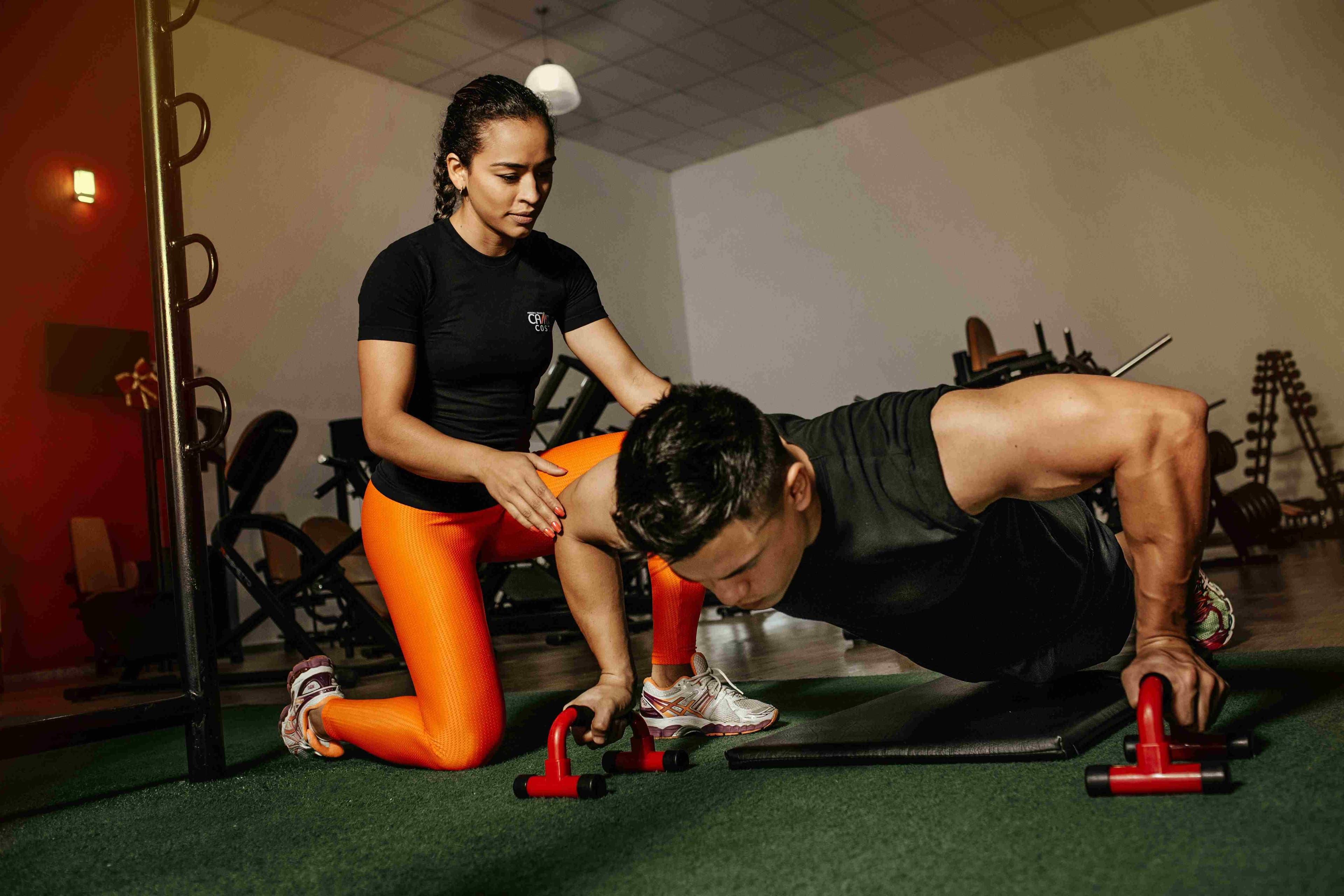
Because the first 90 days decide so much, equipment that helps a nervous beginner succeed is a retention tool in disguise. Intimidating, complicated machines push new members toward the quiet drift that ends in cancellation. Intuitive, guided-motion equipment does the opposite: selectorized strength machines with clear movement paths, simple resistance adjustment, and a per-station instruction card let a first-timer train safely and confidently without a coach hovering over them.
Place the most approachable equipment where new members can find it, in well-lit, visible zones rather than tucked behind the heavy free weights. Early wins build the confidence that turns a tentative January sign-up into a regular, and a regular into a long-term member. Equipment that lowers the intimidation barrier is quietly one of the strongest defenses against first-quarter churn.
Make progress visible
Members stay when they can see they are getting somewhere, and they leave when progress feels invisible. That single psychological fact is why connected equipment matters: one study found a 14% increase in retention when members could track their progress, and people who use a fitness tracker are roughly twice as likely to enjoy a given session. Equipment that records sets, loads, and trends turns a vague sense of effort into concrete evidence of improvement.
Cardio and strength equipment with connected consoles, app integration, and simple performance tracking gives members that feedback loop automatically. When the machine remembers last week’s numbers and shows this week’s gain, the member has a reason rooted in their own data to come back, which is exactly the engagement that pushes someone past the fragile early months and toward the two-year mark where churn nearly disappears.
The ROI of Investing in Better Equipment
Better equipment is a capital decision, so it has to pay. The case rests on the gap between what churn costs and what retention saves. Take that 1,000-member gym losing 400 members a year to 40% churn: at $50 a month, that is roughly $240,000 in lost annual revenue. Industry data suggests that focusing on engagement and experience can cut churn by 10% to 15%, which on that same gym translates to somewhere around $24,000 to $36,000 recovered every year.
Set that against the cost of the equipment changes that drive it. Duplicating a few high-demand machines, funding a maintenance program, and refreshing the strength and recovery areas is a fraction of the revenue a meaningful retention gain protects, and the effect compounds, since a retained member keeps paying month after month while a new one has to be bought again and again. Two buying habits stretch the return further: choose commercial-grade equipment that resists the breakdowns that cause churn in the first place, and source from a coordinated product line so parts, service, and a consistent member experience all get simpler to maintain over the equipment’s life.
Putting It All Together
Member retention is not a single program you launch; it is the cumulative result of an experience your members have every time they walk in, and equipment sits at the center of that experience. Cut the wait at peak hours, keep machines running, stock what members actually want to train on, help beginners win in their first month, and give everyone visible proof of progress. Each change protects a specific behavior that keeps members paying.
Start with the cheapest, highest-impact moves: a tighter maintenance program and a few duplicates of your most-contested machines. Then build toward the bigger refreshes as the retention numbers justify them. Done deliberately, better equipment stops being a cost center and becomes what it really is for a gym: the most reliable way to keep the members you already worked so hard to win.
Frequently Asked Questions
Does gym equipment really affect member retention?
Yes, directly. Members interact with equipment every visit, so its availability, reliability, and relevance shape their experience more than almost any other factor. The clearest evidence: members who frequently wait for a machine are 50% more likely to cancel, and broken or outdated equipment is consistently among the top reasons people quit a gym.
What equipment problems cause the most cancellations?
Three stand out: long wait times from too few of the popular machines, broken or out-of-service equipment that disrupts routines and signals neglect, and an outdated mix that no longer matches what members want to train on. Each one interrupts the consistent attendance that retention depends on.
How does better equipment help with the first 90 days?
The first three months are the highest-churn window, when about half of eventual quitters drift away. Intuitive, guided-motion equipment with clear instructions helps nervous beginners train safely and see early results, which builds the confidence and routine that carry them past the point where most members give up.
Is new equipment worth the investment for a small gym?
Often, yes, because retention is 5 to 7 times cheaper than acquisition and a 5% retention gain can lift profit by 25% to 95%. Start small: duplicate your most-contested machines and tighten maintenance before committing to a full refresh. Even modest changes that recover a slice of churn can pay back quickly on a small membership base.
What is the single highest-impact equipment change for retention?
For most gyms, eliminating downtime and wait times comes first, since both directly interrupt the routines that build the twice-a-week habit linked to far lower cancellation. A reliable maintenance program plus a few duplicates of high-demand machines is usually the fastest, cheapest retention win before larger investments in variety and connected tracking.
Trending Now
25 Best Functional Trainer Exercises for a Full-Body Workout
Functional Trainer Leg Exercises: The Complete Guide
Beginner Cable Machine Workout Plan: 8 Weeks
Newsletter
Enter your email and be the first to get the latest blog posts, news, product launches and more from BodyKore.
Stay in the Know
Enter your email and be the first to get the latest blog posts, news, product launches and more from BodyKore.